Eligibility verification
Active status, effective dates, plan type, group number, and whether coverage runs on a calendar or plan year. Confirmed with the payer, not assumed from the card the patient handed over.
Dental insurance verification is more than an eligibility check. Confirming a plan is active tells you nothing about an annual maximum that's nearly spent, a patient four months short of a frequency limit, or a waiting period with six weeks left to run. Those are the details that turn a confident treatment estimate into a surprise balance.
IDental Billing verifies every patient on your schedule before they arrive, including same-day additions. Coverage, maximums, deductibles, frequencies, waiting periods, age restrictions, and plan exclusions, confirmed with the payer and written into your practice management software. Accurate verification is what supports our 98% clean claim rate.
An eligibility check returns a yes or no. An IDental Billing verification returns everything your front desk needs to quote treatment with confidence. Here's what we confirm on every patient.
Active status, effective dates, plan type, group number, and whether coverage runs on a calendar or plan year. Confirmed with the payer, not assumed from the card the patient handed over.
Annual maximum, how much is left, individual and family deductibles, and how much of each has been met. This is where treatment estimates most often go wrong.
Coinsurance by category: preventive, basic, major, and orthodontic. What the plan pays and what the patient owes, before you present the plan.
How often exams, prophys, x-rays, perio maintenance, and crowns are covered, and when the patient last used each benefit. A patient four months short of a frequency limit is a denial waiting to happen.
Waiting periods still running, age limitations, missing tooth clauses, and downgrade provisions. The clauses that quietly reduce what a plan actually pays.
Non-covered services, carrier-specific guidelines, coordination of benefits where a second plan exists, and anything unusual about how this payer processes claims.
All of it written into your practice management software before the appointment, in the format your team already reads.
Verification errors don't surface at the front desk. They surface weeks later, when a claim comes back denied or a patient opens a bill they weren't expecting.

Eligibility problems are one of the most common denial reasons in dental. The treatment was appropriate and the coding was right, but coverage had lapsed or a frequency limit was already used.
A patient quoted $200 who receives a bill for $800 blames the practice, not the plan. That conversation costs more than the balance, and it tends to show up in reviews.
Plans apply eligibility changes retroactively. If coverage lapsed before the date of service, the payer can take back what they already paid you. The ADA is direct: verify on the date of service.

Treatment gets rescheduled at the chair when the estimate turns out wrong. Case acceptance drops, the slot goes unfilled, and the patient leaves less confident than they arrived.
Every one of these traces back to a detail nobody confirmed before the appointment.
Not sure what your current process is missing? Send us a few patients from your schedule and we'll verify them.
Most practice management systems can run an electronic eligibility check. It takes seconds and it answers one question: is this plan active. Everything that determines what the patient actually owes takes a phone call.
Electronic eligibility returns active status and sometimes a maximum. Frequencies, waiting periods, downgrades, and missing tooth clauses usually aren't in the response at all.
The ADA studied this. Their finding: many providers still call payers because electronic workflows return incomplete data, and calling remains the more reliable route to accurate benefits.

An automated response that says a service is covered at 80% doesn't say the patient has already used the benefit this year. That check is manual, every time.
Software that returns a fast wrong answer is worse than no answer, because the practice acts on it and finds out weeks later when the claim comes back.
IDental Billing uses electronic eligibility where it's reliable and picks up the phone where it isn't. That's the whole difference.
Verification done the morning of an appointment isn't verification, it's damage control. By then the treatment plan is built, the patient is in the chair, and there's no time to resolve anything the payer flags.
IDental Billing verifies your schedule five business days before each appointment, which leaves time to resolve a lapsed plan, chase a second payer on coordination of benefits, or flag a frequency issue before the patient arrives.
Eligibility can change between verification and the appointment. High-risk plans get a same-day confirmation, because the ADA is clear that coverage on the date of service is what protects you from recoupment.
A patient added to the schedule at 9am still gets verified before their 2pm appointment. No surcharge for the turnaround and no request form to fill in.
Early enough to fix problems, late enough that the information is still current.
Practices outsourcing dental insurance verification usually start because they were verifying selectively. New patients, major treatment, anyone whose plan looked unusual last time. The ones that get skipped are the routine appointments, which is exactly where a lapsed plan goes unnoticed until the claim comes back.
New patients, recall visits, post-ops, crown seats, and emergencies. If a patient is on the schedule, their benefits are confirmed before they arrive.
Coverage that changed since the last visit gets caught. A new employer, a new plan year, or a dependent aging off are the three that surprise practices most often.
A patient added this morning gets verified before this afternoon. No rush fee, no separate request, and no exception because the schedule filled late.
Group practices and DSOs get the same standard at every site, verified by the same team working to the same checklist.
Selective verification is how the one plan nobody checked becomes the claim nobody gets paid for.
No new system to learn and nothing to migrate. Our verification services run inside your existing setup. Our specialists log into your practice management software and write benefits into the patient record where your team already looks for them.







Benefits go into the insurance plan record rather than a PDF uploaded to the patient's document manager, so the plan builds once and applies to every patient enrolled under it. Access runs through an encrypted connection under permissions you set and can revoke at any time.
Don't see your software listed? Tell us which EHR or EMR you run and we'll confirm we work in it.
The verification workload scales with the schedule, not the practice size. What changes is how many plans you see and how consistent the process has to stay across locations.

One front desk covering phones, check-in, and verification means verification loses. You get every patient verified without adding a role or asking someone to stay late.
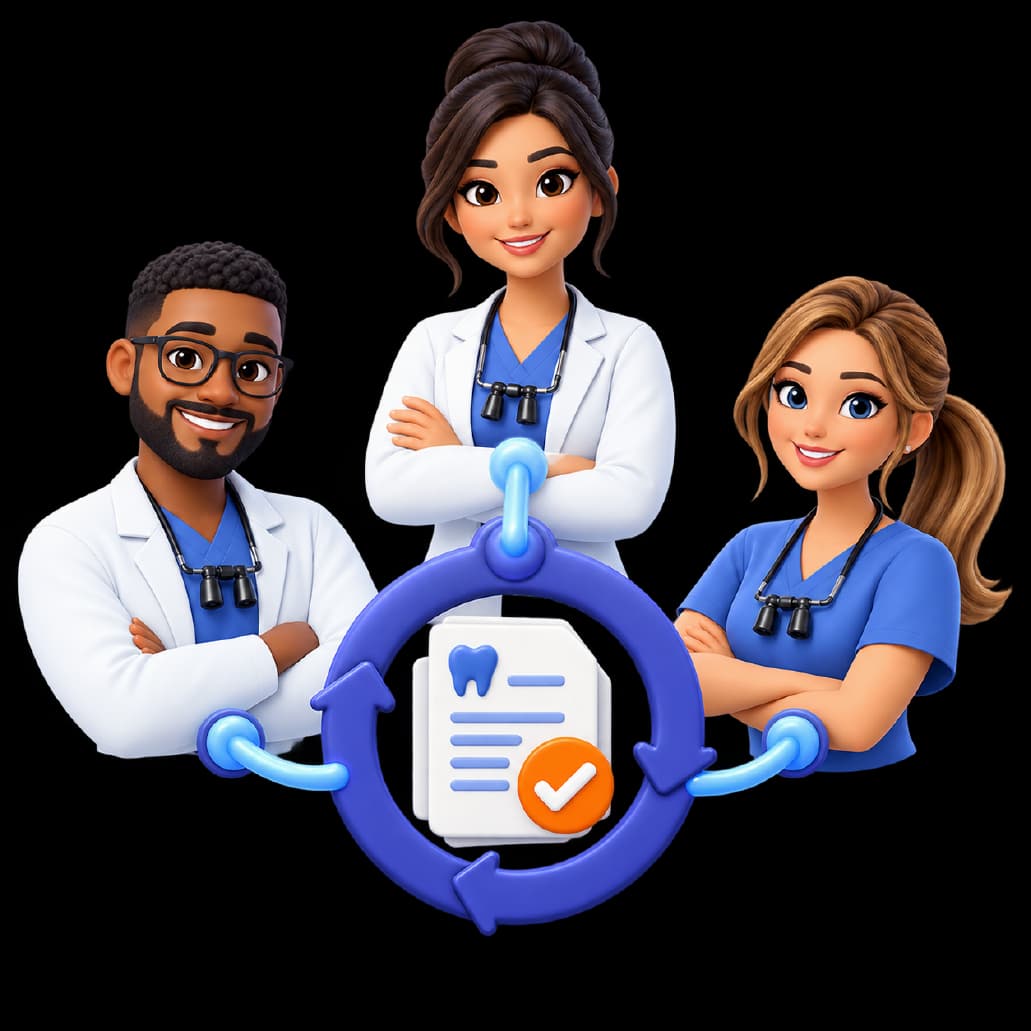
The same verification standard across every provider and location, so a patient seen at one site gets the same benefits detail as one seen at another.
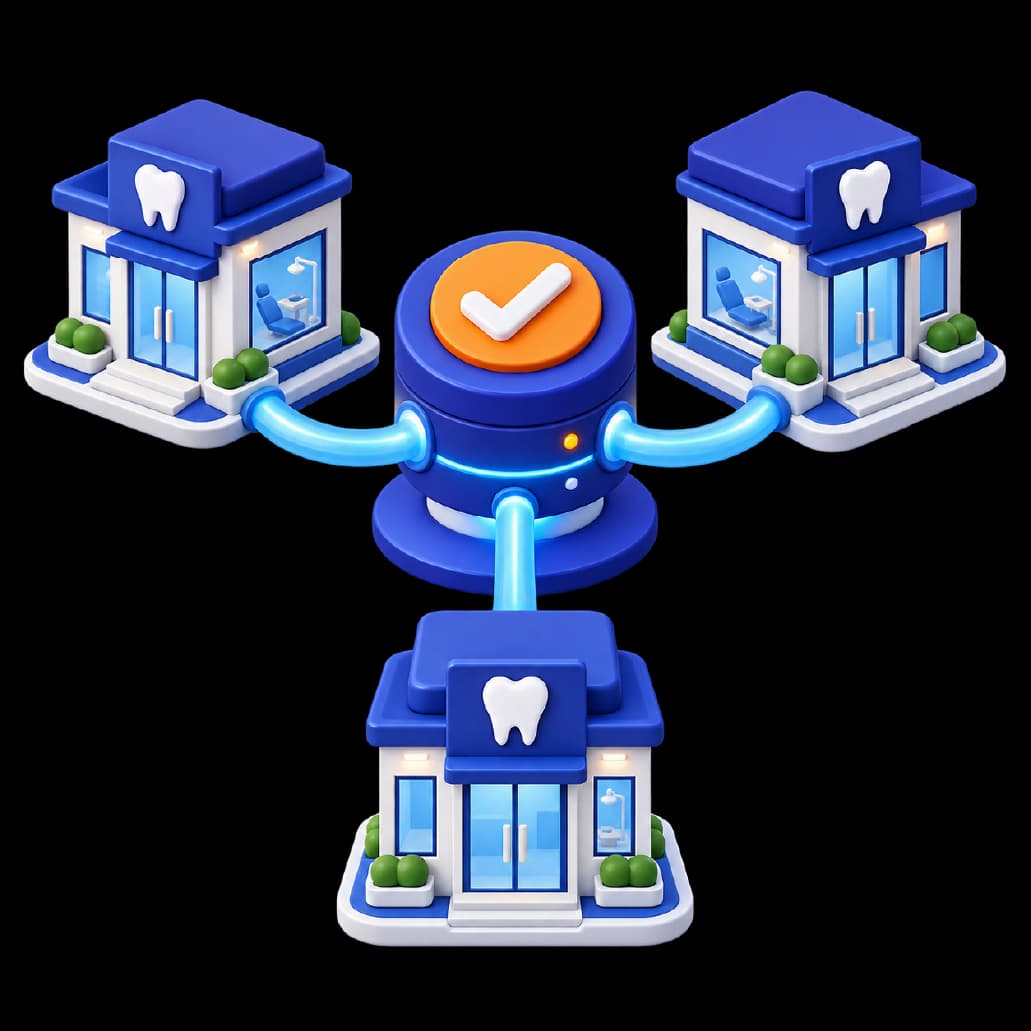
Centralized verification with consistent plan records across sites. New locations onboard onto the same process rather than building their own.

Ortho, perio, oral surgery, and pediatric plans carry coverage rules general practices rarely see. Age limits, orthodontic lifetime maximums, and medical crossover all get confirmed.
Verification is included at no charge for billing clients. As a standalone service, it's $5 per verification with no tiers, no minimums, and no surcharges.
A practice seeing 20 patients a day runs about 400 verifications a month. Standalone that's $2,000, or roughly $100 a working day. On a billing plan it's nothing.
Dental insurance verification is confirming a patient's coverage and benefits with the payer before their appointment. It goes beyond eligibility to include annual maximums, remaining benefits, deductibles, coinsurance by category, frequency limits, waiting periods, and exclusions, so treatment can be quoted accurately.
Eligibility confirms a plan is active. Benefits verification confirms what the plan actually pays. An eligibility check returns a yes or no in seconds. A benefits breakdown takes a payer call and returns the 20+ details that determine what a patient owes.
Five business days before the appointment is a workable standard. That leaves time to resolve a lapsed plan or a coordination of benefits issue while the information is still current. Verification done the morning of an appointment leaves no time to fix anything.
Eligibility verification catches these before the appointment. Usually because coverage lapsed between the last visit and this one, a frequency limit was already used, a waiting period was still running, or the patient changed employers. All four are catchable before the appointment.
Yes. Plans can apply eligibility changes retroactively, and participating provider contracts allow payers to recoup payments when a patient had lost coverage on the date of service. The ADA advises verifying eligibility on the date of service specifically to avoid this.
Not on its own. Electronic eligibility checks return active status and sometimes a maximum, but frequencies, waiting periods, downgrades, and missing tooth clauses often aren't in the response. The ADA's own research found providers still call payers because electronic workflows return incomplete data.
Our dental billing experts are here to help.
Let's find the right solution for your practice.
IDental Billing will verify a sample of patients from your schedule and send back the full benefits breakdown for each. You'll see exactly what your current process is capturing and what it's missing. No cost, and the breakdowns are yours to use.